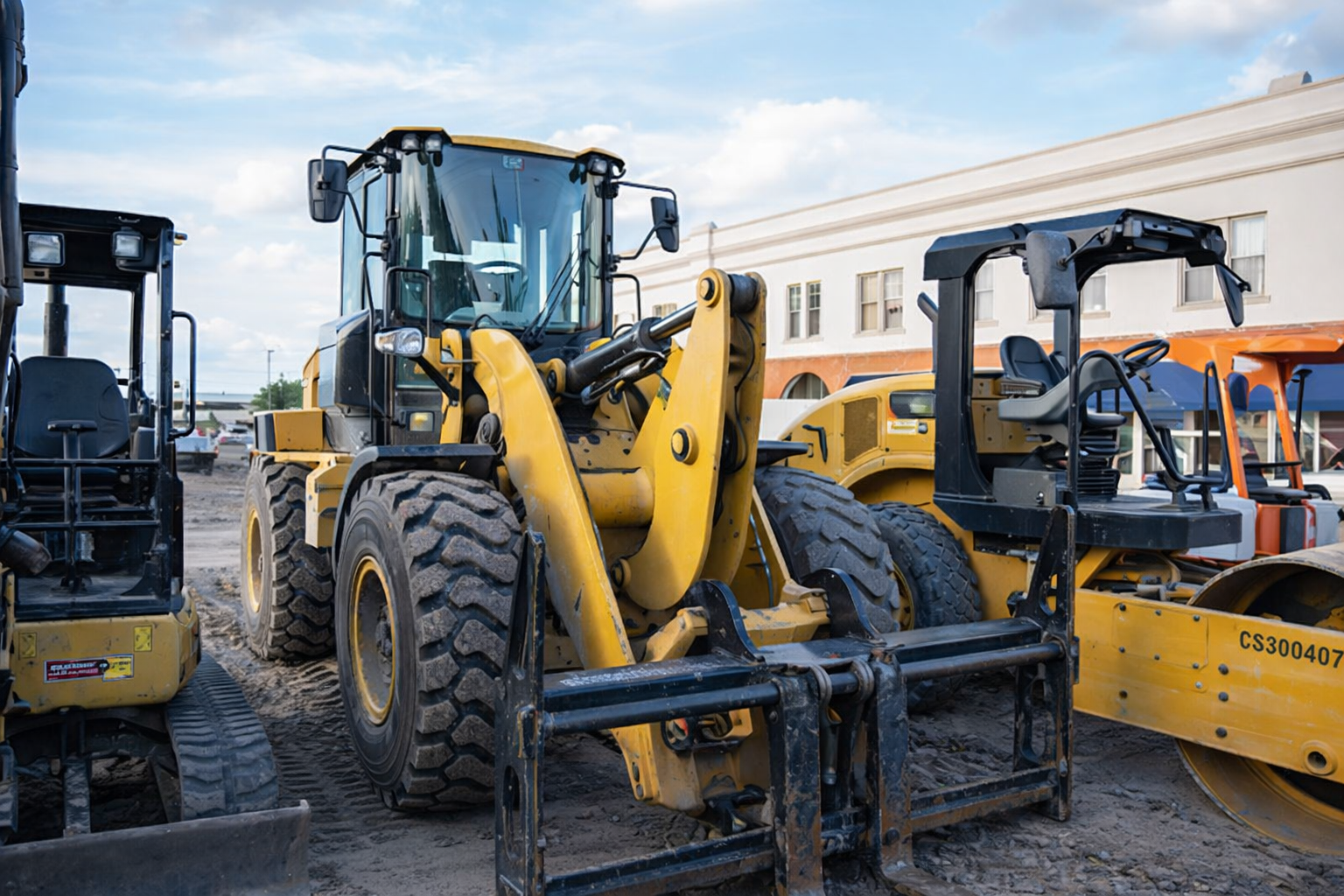
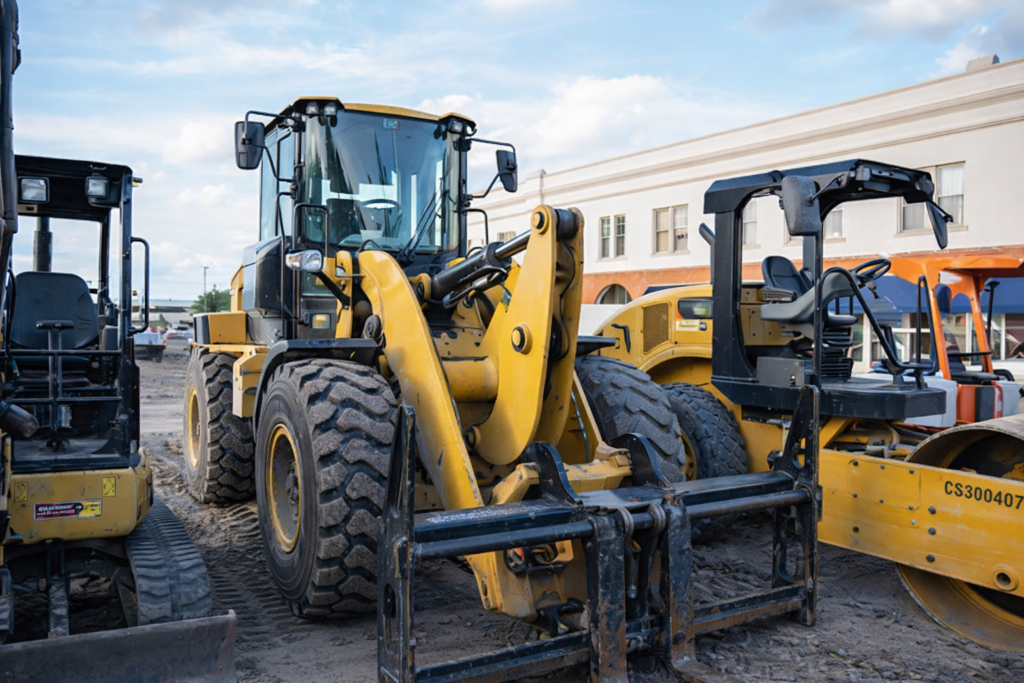
An equipment appraisal is a formal, unbiased valuation of machinery and equipment for a specific purpose and date.
This guide explains definitions, methods, and the equipment appraisal process from start to finish.
You will learn how appraisers determine value and how to get a defensible report.
What Is An Equipment Appraisal?
An equipment appraisal is a written opinion of value for machinery and equipment at a defined time and purpose.
A qualified appraiser performs the analysis under recognized standards such as USPAP. They research markets, inspect assets, and apply accepted approaches to value.
Appraisals matter because lenders, auditors, courts, and investors rely on credible opinions, not guesswork.
A price opinion or broker estimate can help with negotiations, but it may not meet compliance or legal needs.
That said, a true appraisal produces a documented, defensible report with transparent methods and assumptions.
When You Need An Equipment Appraisal
You need an appraisal for financing and insurance decisions that require credible numbers.
Banks, the SBA, and asset-based lending programs request supported values for collateral.
Insurers use appraisals to set coverage and to settle claims after losses.
Buyers and sellers in M&A and buy-sell deals use appraisals to test price and allocate purchase price.
Tax and financial reporting rely on values for depreciation, impairment, and fair value measurements.
Courts use appraisals in estate, divorce, and litigation matters where neutrality is critical.
Nonprofits and donors use them to document donations of equipment.
Bankruptcy cases rely on premise-specific values to guide restructuring or liquidation strategy.
Types Of Value In Equipment Appraisals
The “premise of value” defines how the market views the asset under specific conditions.
Your purpose drives the premise, which in turn determines the value type selected.
Fair Market Value
Fair market value reflects a price between a willing buyer and seller, both informed and not under duress.
It assumes reasonable exposure time in an open market.
It is common for financial reporting, buy-sell deals, and estate planning.
FMV supports negotiations where normal marketing and typical buyers apply.
Orderly And Forced Liquidation Value
Orderly liquidation value (OLV) estimates the expected price in a negotiated sale over a limited period.
It assumes a planned sale with professional marketing.
Forced liquidation value (FLV) assumes a quick sale at auction with limited exposure.
Lenders and courts often require OLV or FLV for collateral recovery and bankruptcy.
Fair Value And Other Standards-Based Values
Fair value follows GAAP or IFRS and reflects market-participant assumptions for financial reporting.
Insurance often needs replacement value, such as replacement cost new, less depreciation.
Investment value reflects a specific buyer’s synergies or constraints.
The selected standard must match your reporting or regulatory framework.
Equipment Appraisal Methods
Appraisers consider multiple methods and reconcile them to a single conclusion. They select the most credible approach based on data, asset type, and the assignment’s scope.
Market (Sales Comparison) Approach
The market approach analyzes recent sales and listings for comparable assets.
Appraisers adjust for age, hours, options, condition, and location to align with the subject. It works best when markets are active and sales data is transparent.
Sales comparison supports FMV and various liquidation value estimates. Its limits appear with unique, specialized, or obsolete machinery that rarely trades.
Cost (Replacement/Depreciated) Approach
The cost approach estimates replacement cost new less depreciation (RCNLD).
Appraisers measure physical wear, functional obsolescence, and economic obsolescence. They then adjust the replacement cost for these factors to reach the current value.
It is useful when market data is scarce or when dealing with unique or custom equipment.
Insurance and financial reporting often reference this approach for replacement planning.
Income Approach
The income approach capitalizes or discounts cash flows attributable to the equipment. It suits income-producing or special-purpose assets where earnings are tied to the machine.
Analysts isolate the asset’s economic contribution, net of operator and other inputs. They model utilization, pricing, costs, and risk to estimate value.
It is powerful but data-intensive and less common for commodity assets.
The Equipment Appraisal Process
A credible assignment follows a clear scope, methodical data work, and transparent reporting. The deliverable is a defensible report that stakeholders can rely on and verify.
Engagement And Scope
The appraiser defines the purpose, users, and effective date at the outset. They set the premise of value and reporting standards, such as USPAP.
You provide an asset list, locations, and contacts for access. The engagement letter outlines fees, timing, confidentiality, and assumptions.
Data Collection And Inspection
The appraiser gathers the make, model, serial number, and hours for each unit. They perform an on-site appraisal or a desktop appraisal, depending on the scope.
On-site, they verify conditions, options, attachments, and maintenance. Also, they take photos and note hours or mileage, repairs, and visible wear.
Finally, they record safety and compliance features when relevant.
Research And Analysis
The appraiser researches market data from auctions, dealers, and proprietary databases. They analyze demand, sales velocity, and technology shifts that affect value.
Additionally, they apply the market, cost, and income approaches as appropriate, and adjust data for age, condition, configuration, and location.
Reconciliation And Report
The appraiser reconciles indications from each method based on data quality and relevance. They document reasoning, adjustments, and weighting in a USPAP-compliant report.
The report states assumptions, extraordinary assumptions, and limiting conditions. It includes photos, an asset schedule, and the signed certification.
Review, Delivery, And Use
Stakeholders review the draft for factual accuracy, not value advocacy. Lenders and legal teams confirm the scope meets their acceptance criteria.
The final report is delivered in secure digital form and archived. You retain it for audits, financing, or future updates.
On-Site Vs. Desktop Appraisals
An on-site appraisal includes physical inspection and direct condition assessment. A desktop appraisal relies on documents and photos without inspection.
On-site offers higher credibility, while desktop saves cost and time.
When To Choose On-Site
Choose on-site for bank collateral, litigation, or high-stakes transactions. Complex production lines, integrated systems, and installation-sensitive assets benefit from inspection.
Condition-sensitive units with heavy wear, modifications, or safety factors require in-person review. On-site verification reduces risk and strengthens lender and court acceptance.
When A Desktop Works
A desktop appraisal suits internal planning, budget updates, or portfolio monitoring. It works for homogeneous fleets with standard specs and strong documentation.
Use it for refreshes after a recent inspection or when access is limited. Confirm that stakeholders accept a desktop scope before proceeding.
Factors That Influence Equipment Value
Age and condition drive value, but the story goes deeper:
- Maintenance history, service records, and documented repairs build buyer confidence.
- Hours or mileage and duty cycle show remaining life and risk.
- Brand and model reputation can move markets, as can technology obsolescence.
- Attachments, tooling, software, and control packages add or limit utility.
- Installation and removal costs matter for large or hard-to-move assets.
- Local and global market demand sets the context for timing and price.
- Compliance, safety upgrades, and complete documentation support resale and financing.
Compliance, Standards, And Credentials
Standards protect you by enforcing consistent methods and ethics.
A compliant process produces a defensible report that withstands lender, auditor, or court review.
USPAP And Appraiser Credentials (ASA, AMEA, Etc.)
USPAP sets ethics and reporting rules that appraisers must follow.
Look for credentials such as ASA, AMEA, or equivalent machinery and equipment designations.
Ask about years of industry experience and recent comparable assignments. Confirm continuing education and adherence to recognized methodologies.
IRS, GAAP, IVS, And SBA Requirements
Some uses require specific frameworks, such as IRS rules for donations or estates.
Financial reporting must align with GAAP or IFRS and may require fair value.
International work may call for IVS alignment.
SBA and bank policies can dictate premise of value, acceptable scope, and report format.
How To Prepare For An Equipment Appraisal
A short checklist on how to prepare for an equipment appraisal:
- Start with a complete asset list that includes makes, models, serial numbers, and hours.
- Provide purchase invoices, build sheets, and upgrade records.
- Share maintenance logs, service contracts, and any warranties.
- Gather recent photos that show the condition, options, and attachments.
- Coordinate site access, escorts, and safety or lockout procedures.
- Clarify the scope, purpose, premise of value, and effective date before work begins.
- Flag any missing documentation early so the appraiser can plan around it.
Selecting A Qualified Equipment Appraiser
Choose an appraiser with deep experience in your asset class and industry.
Verify credentials, sample reports, and references from lenders or auditors.
Ensure independence and no conflicts of interest.
Discuss turnaround times, milestones, and communication.
Confirm pricing, scope, deliverables, and acceptance needs in a clear engagement letter.
A strong fit will produce a credible, defensible report you can use for financing and insurance, tax and financial reporting, and asset-based lending.
That confidence is the true value behind the numbers.