
USPAP-COMPLIANT · ASSET-BASED LENDING
Equipment Appraisal for Asset-Based Lending
Equipment appraisal services for asset-based lending covering net orderly liquidation value (NOLV) and forced liquidation value (FLV) opinions on machinery pledged as revolving collateral, prepared in accordance with USPAP. Millwright Equipment Appraisers values construction fleets, production lines, and manufacturing equipment that lenders monitor to set and adjust borrowing bases nationwide.
- Net orderly liquidation value (NOLV) and forced liquidation value (FLV) opinions
- Prepared in accordance with USPAP
- Scope, timing, and a fixed fee confirmed up front, expedited service available
WHY IT MATTERS
How Millwright Equipment Appraisers Supports Revolving Credit Lines Secured by Machinery
A revolving line of credit secured by machinery works differently than a single term loan. The available borrowing base moves as equipment is added, sold, or ages, so the lender's credit team needs a current, independent read on what the heavy machinery fleet or production line would actually bring in a liquidation, not what's carried on the balance sheet.
Field examiners and collateral auditors use that read to set the advance rate against each category of machinery on the schedule. We support that process with net orderly liquidation value (NOLV) and forced liquidation value (FLV) opinions prepared in accordance with USPAP (Uniform Standards of Professional Appraisal Practice), built on comparable sales, dealer quotes, and auction results rather than depreciation tables. NOLV assumes a properly marketed, time-bounded sale net of selling costs; FLV assumes a compressed sale such as an auction, and typically sets the more conservative floor.
Because the collateral pool changes over the life of a revolving facility, most lenders schedule a re-appraisal at a set interval rather than treating the original report as fixed. We structure our reports so serial numbers, hour meters, and condition notes carry forward cleanly from one review to the next, which keeps the update process fast and the borrowing base defensible.
Value Standards
Four Value Conclusions Behind an Asset-Based Lending Report
FMV
The price a willing, informed buyer would pay a willing, informed seller, with neither party under pressure. This is the standard used for most non-lending purposes, such as a sale, an estate, or a tax filing, and rarely the figure a lender relies on for collateral.
OLV
What the machinery would bring in a properly marketed sale, given a reasonable period to find buyers. It assumes time to advertise and negotiate, not a distressed sale.
NOLV
Orderly liquidation value after subtracting the costs of sale, such as commissions, rigging, and transportation. Lenders lean on NOLV most often when calculating an advance rate against machinery collateral.
FLV
The likely result of a compressed, auction-style sale with little lead time. It typically produces the lowest of the four figures and serves as a conservative downside check.
Types of Collateral
Millwright Equipment Appraisers Values Every Category of Machinery Lenders Accept as Revolving Collateral
Asset-based lenders extend credit against a wide range of machinery, and we appraise each category with the same market-backed approach, whether the file covers one piece of equipment or an entire fleet securing the facility.
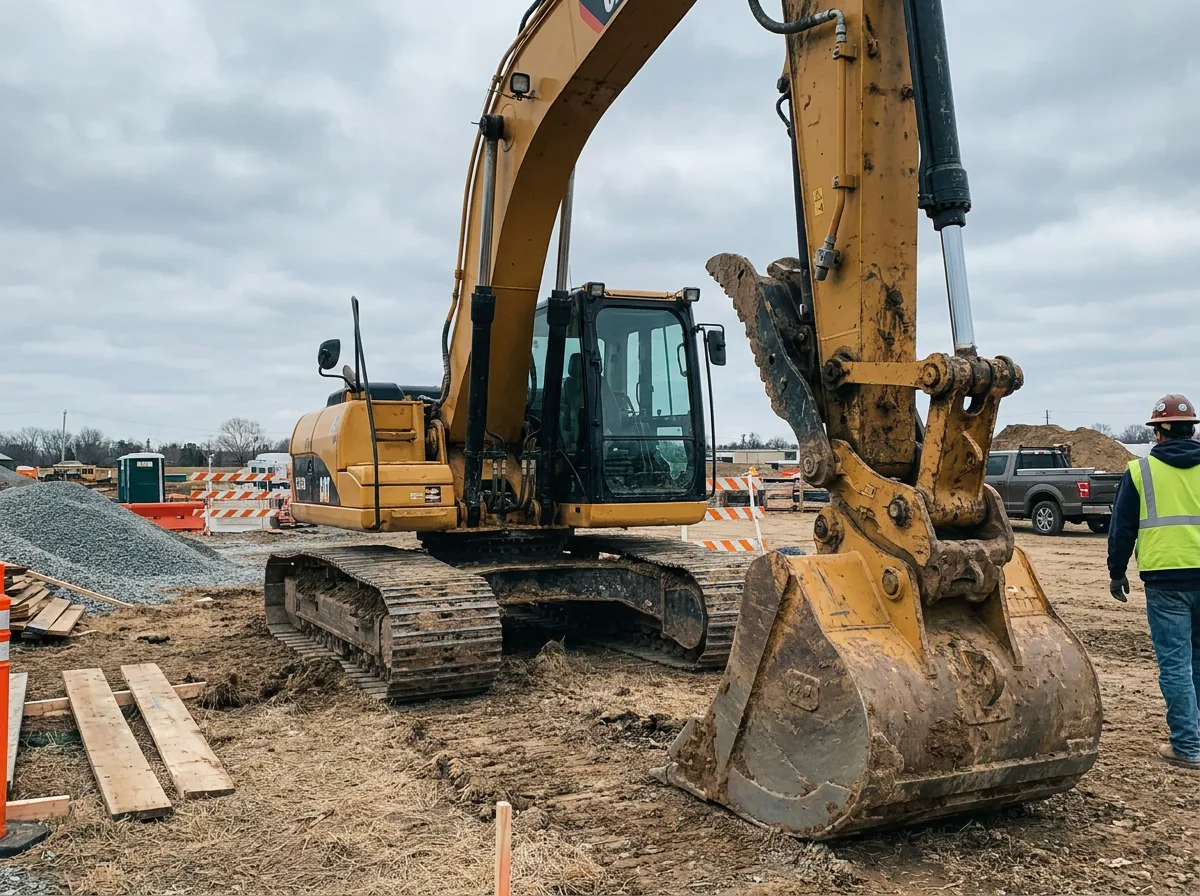
Construction & Earthmoving Collateral
- Excavators
- Bulldozers
- Wheel loaders
- Cranes
- Skid steers
- Telehandlers
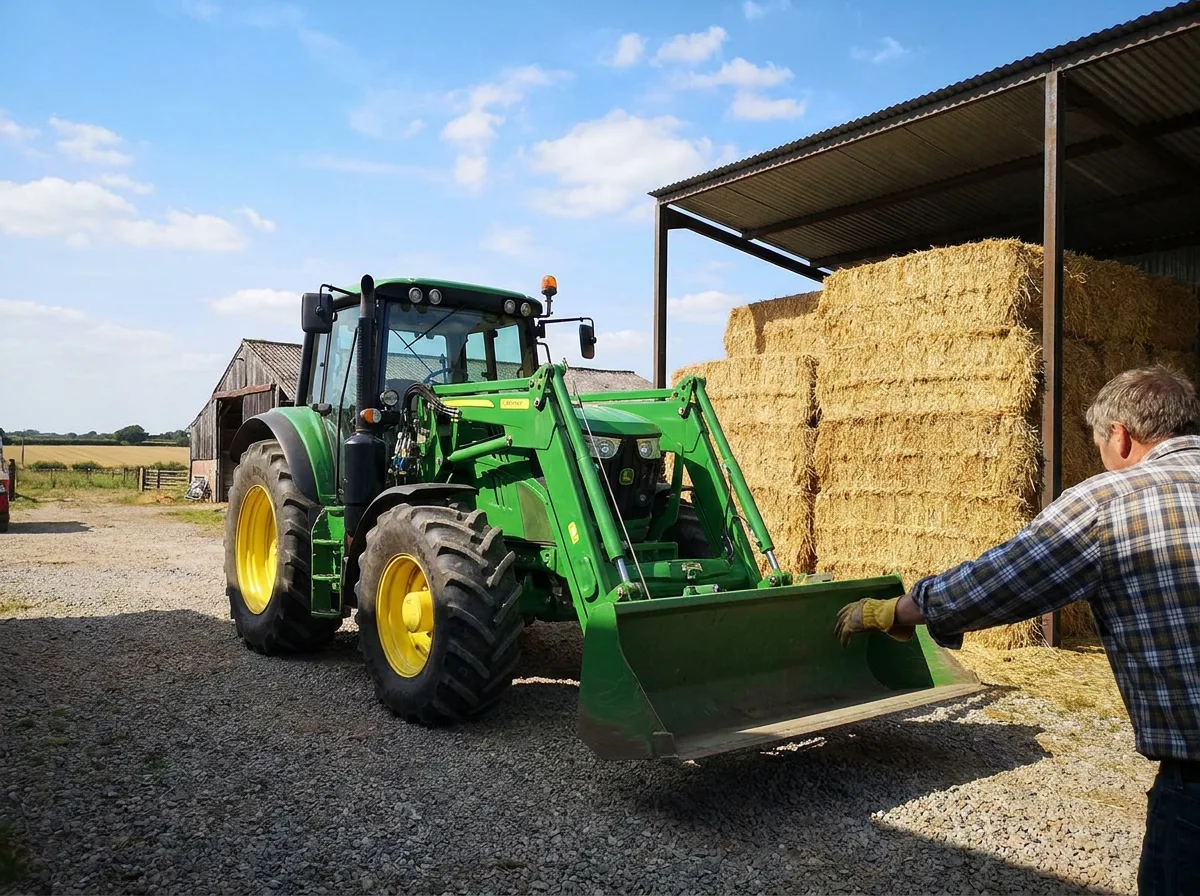
Agricultural & Farm Equipment Collateral
- Tractors
- Combines
- Sprayers
- Balers
- Tillage equipment
- Grain handling systems
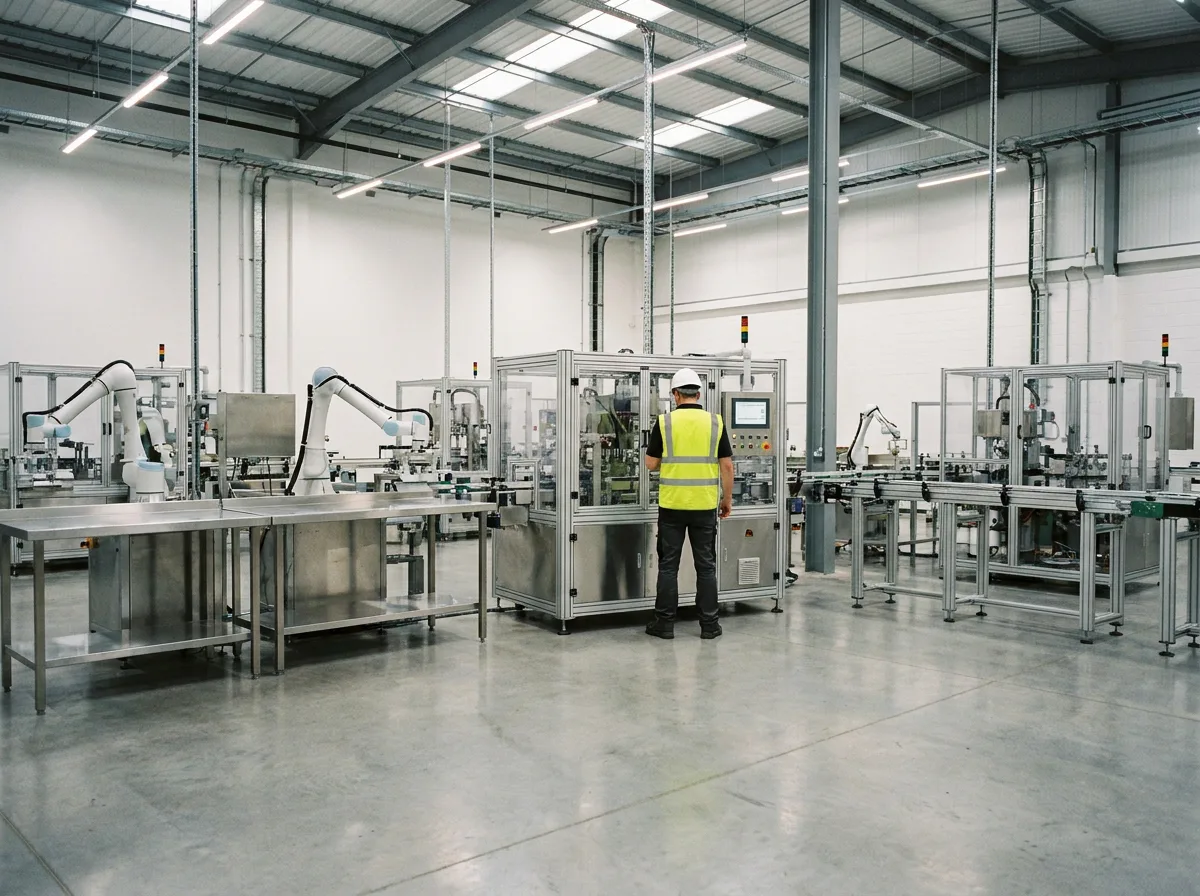
Manufacturing & Industrial Collateral
- CNC machining centers
- Presses and press brakes
- Injection molders
- Conveyor and processing lines
- Generators
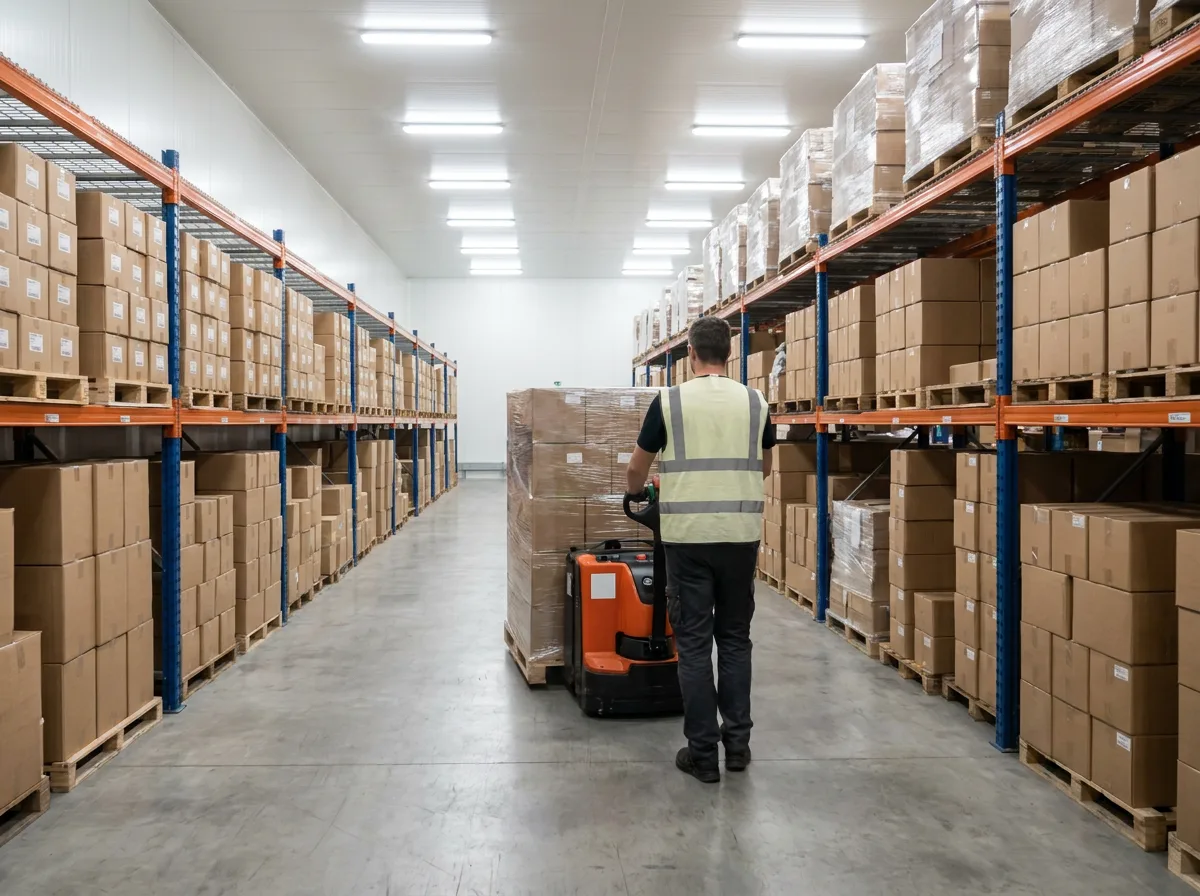
Material Handling & Shop Collateral
- Forklifts
- Welders and compressors
- Lathes and mills
- Woodworking machinery
- Fixed shop equipment
Our Process
What Happens After You Request an Equipment Appraisal for Asset-Based Lending
- 01
Tell Us About the Facility
Share the lender, the loan type, and which value conclusions the credit file calls for.
- 02
We Pull the Equipment Schedule
We review serial numbers, hour meters, and maintenance history to scope the assignment before we go further.
- 03
Inspection or Records Review
Depending on the file, we complete an on-site inspection or a desktop review built from your equipment records.
- 04
Market-Based Valuation
We weigh comparable sales, dealer quotes, and auction data to reach the NOLV and FLV figures the file requires.
- 05
Report to Your Lender
We deliver a USPAP-compliant report to you and your lender's credit team, and stay available for follow-up questions.
CREDENTIALS
The Credentials Behind Every Equipment Valuation for Asset-Based Lending
Every report we prepare for a revolving credit file follows USPAP, and our appraisers hold credentials with leading organizations such as the ASA, the NEBB Institute, and CAGA.
ASA
Certified Machinery & Equipment Appraiser (CMEA)
CAGA
USPAP-Compliant
Asset-Based Lending FAQ
Common Questions About Equipment Appraisals for Asset-Based Lending
What information does an asset-based lender expect in an equipment appraisal report?
Lenders expect a USPAP-compliant NOLV conclusion built on real market evidence, not book value or replacement cost, along with enough detail on each machine's identity, condition, and marketability that a field examiner can support the number. A clear, well-documented report lets the credit team set a defensible advance rate against the collateral.
How is net orderly liquidation value different from forced liquidation value?
NOLV assumes the machinery is marketed and sold in an orderly fashion over a reasonable period, net of selling costs. FLV assumes a compressed, auction-style sale with little time to find buyers, and comes in lower as a result. Most asset-based facilities size the borrowing base off NOLV and use FLV as a stress-test figure.
Why do lenders ask for repeat appraisals on the same equipment?
A revolving facility's borrowing base shifts as machinery is added, sold, or simply ages, so most loan agreements call for the collateral to be re-appraised on a set schedule rather than relying on the original report indefinitely. We can structure recurring reports so each update builds cleanly on the last.
Will you appraise the equipment if the lender, not the borrower, retains you?
Yes. We take engagements directly from lenders, from borrowers acting on a lender's instruction, and from advisors representing either side. Whoever retains us, the opinion of value is independent and prepared the same way.
Does every file require an on-site equipment inspection?
Not always. Some files are scoped as a desktop review built from equipment schedules, maintenance logs, and comparable sales data; others require an on-site inspection of the machinery itself. We confirm which approach the lender needs before the engagement begins.
Get Started
Request an Equipment Appraisal for Asset-Based Lending
Tell us about the equipment and your lending facility, and we'll confirm scope, timing, and a fixed fee up front.